

Trump Cuba tensions are rising at the United Nations General Assembly in New York as President Donald Trump calls for major change on the island and says Cuba’s communist government is facing its strongest pressure yet. Cuban officials have pushed back against the U.S. position while the island deals with severe fuel shortages, widespread power problems and new economic reforms.
The Brief of Trump Cuba Tensions
- Trump Cuba tensions are rising as President Donald Trump calls for major change in Cuba and says the island’s communist government is under growing pressure.
- Cuba is facing a serious economic and power crisis, with fuel supplies heavily restricted and electricity often available for only an hour or two a day.
- Cuba has announced 176 economic reforms to expand private business and foreign investment, while U.S. and Cuban officials continue talks over the growing tensions.
U.S. Trump Cuba Tensions Rise
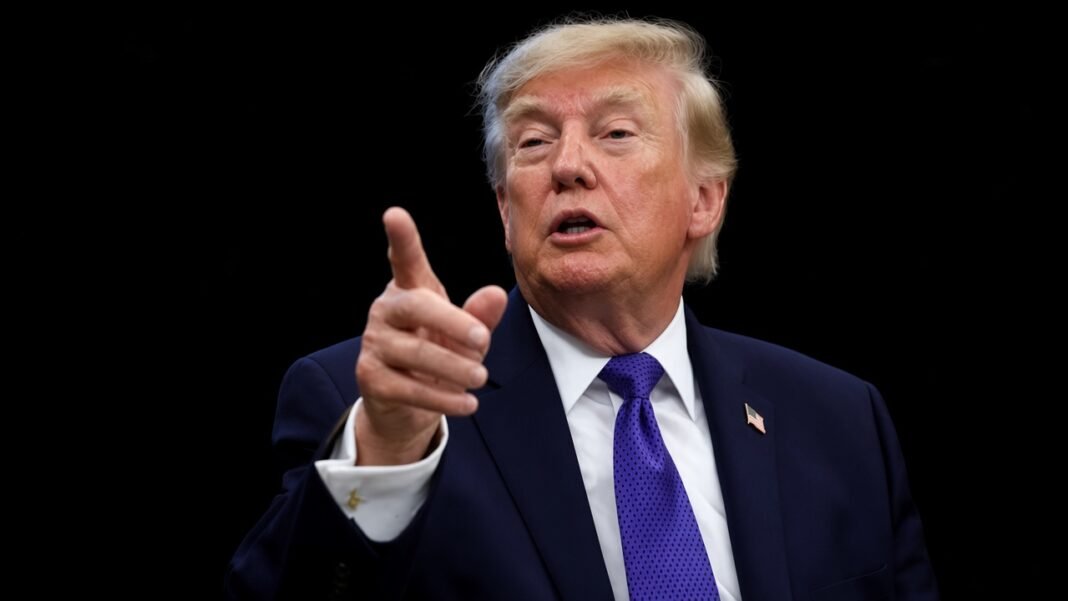
Trump told world leaders at the United Nations General Assembly that his administration was seeking a “fundamental change” in Cuba. He said the communist government was under greater pressure than it had faced before and predicted that it would fall.
More: Jimmy Kimmel Zohran Mamdani Brooklyn Show: Key Moments
Trump also said Secretary of State Marco Rubio was handling negotiations with Cuba. The two countries have been holding talks for months, including secret meetings in St. Kitts in February.
Cuban Foreign Minister Bruno Rodríguez Parrilla criticized the U.S. position during his General Assembly speech. He rejected the idea that Cuba is a threat to the United States and questioned why Washington had imposed fuel restrictions and other sanctions if Cuba was truly a “failed state.”
Rodríguez Parrilla also accused the Trump administration of seeking to take control of Cuba and its economy. In an interview with NBC News, he said Cuba was not involved in U.S. domestic affairs.
Cuba Faces Fuel and Power Problems
Cuba is dealing with a major economic crisis as U.S. restrictions have reduced access to fuel. The country’s power grid is also struggling, with electricity often available for only an hour or two each day.
Francisco Pichón, a U.N. coordinator in Cuba, told The New York Times that shipping companies carrying goods not covered by U.S. sanctions, including food and medical supplies, were showing signs of “over-compliance.” He said some companies were not delivering allowed goods because they feared violating U.S. sanctions.
Cuban officials have said the U.S. pressure has made conditions on the island more difficult. Rodríguez Parrilla described the U.S. approach as a policy of “hunger, desperation, and the overthrowing of governments.”
He also said Cuba was taking steps to strengthen its defensive capabilities while preparing for different possible situations.
Cuba’s Economic Reforms
Cuba announced 176 economic reforms in June as pressure on the country continued to grow. The changes include fewer limits on private businesses and more opportunities for foreign investment.
The reforms also removed the previous limit of 100 employees for private businesses. That allows private companies to hire more workers as they operate and expand.
Cuban economist Ricardo Torres, now a fellow at American University, said the changes are ambitious but came at a difficult time for the country. He said Cuba’s economic crisis and limited international support could make it harder for the reforms to succeed without some relief from U.S. sanctions.
Cuban President Miguel Díaz-Canel has described the reforms as necessary but also called the expansion of the private sector a concession. He said the changes would not lead to a return to capitalism and maintained that Cuba’s communist party continues to have public support.
U.S. Questions Cuba’s Reforms
Secretary of State Marco Rubio has questioned whether Cuba will keep the economic changes in place.
During a press conference at the General Assembly, Rubio said potential investors would have concerns about putting money into Cuba if the government could later change the rules.
He said Cuba needs to put the reforms into practice and keep them in place before investors can have confidence in the changes.
Torres said Díaz-Canel’s comments present a conflict because Cuba is trying to attract foreign and private investment while describing the expansion of the private sector as a concession.
U.S. and Cuba Continue Talks
U.S. and Cuban officials have continued negotiations for months, but both sides have kept most details of the discussions private.
The talks included secret meetings in St. Kitts in February. Rodríguez Parrilla told NBC News that the discussions had not produced much progress or many results.
The Trump administration has continued to pressure Cuba while Cuban officials have rejected claims that the island threatens the United States.
For now, the two governments remain engaged in talks as Cuba deals with fuel shortages, power problems and economic pressure while moving forward with its new reforms.