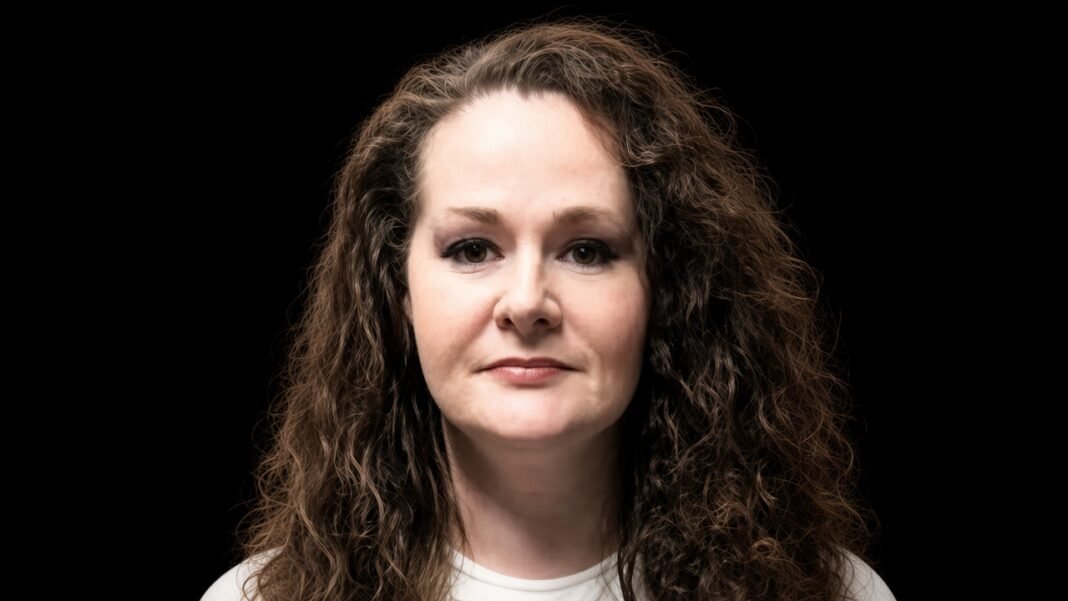


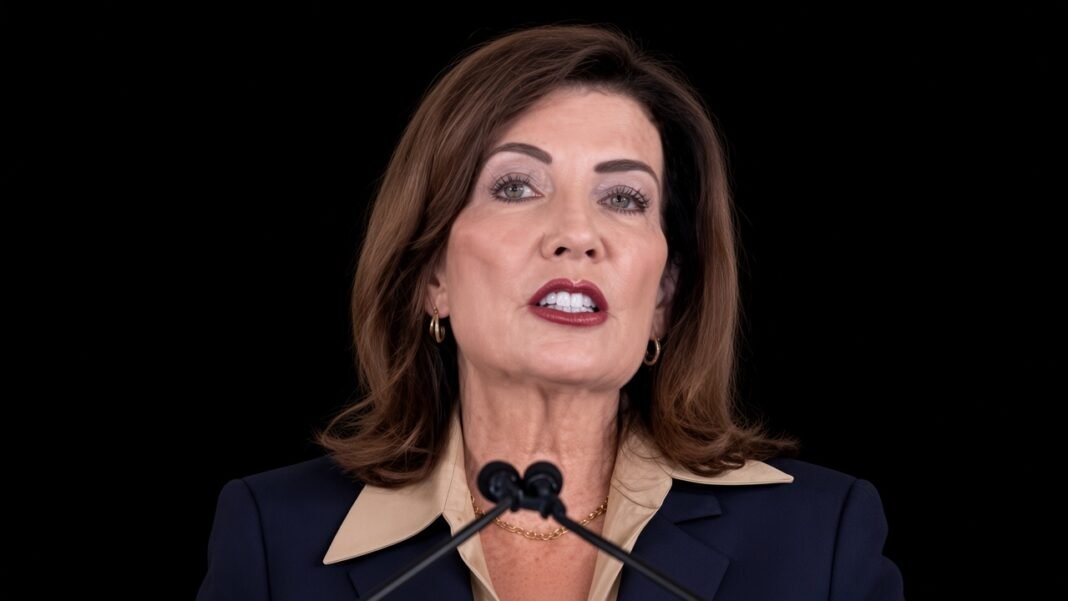
NEW YORK — A Cornell University sexual assault investigation involving allegations against members of the Chi Phi fraternity has been taken over by New York Attorney General Letitia James after concerns were raised about the initial handling of the case. The woman who made the allegations says she was given ketamine and became unable to consent before she was sexually assaulted at the fraternity house in October 2024, and she later filed a lawsuit against Cornell and seven former students.
The Brief of Cornell Gang Rape Case
- New York Gov. Kathy Hochul appointed Attorney General Letitia James as a special prosecutor to take over the Cornell gang rape case investigation after concerns about how the initial case was handled.
- The woman sued Cornell University and seven former students, alleging she was given ketamine and sexually assaulted at a Chi Phi fraternity house in October 2024.
- Cornell’s investigation produced conflicting accounts, with some students expelled and at least some accused men cleared of sexual assault allegations, while the case has also renewed calls for changes to New York’s sexual assault law.
Cornell Case Investigation
What we know:
The allegations center on a Cornell University fraternity house in New York, where the woman says she was sexually assaulted in October 2024. She reported the alleged assault to Cornell police about three weeks later and spent two days giving investigators a detailed account of what happened.
More: Cornell Rape Case: Prosecutor Reopens Investigation Into 2024 Allegations
The initial investigation was reviewed by Tompkins County District Attorney Matthew Van Houten. He first declined to pursue criminal charges or continue the investigation after reviewing a police summary of the woman’s interview. He later reopened the case after receiving additional evidence, including information he said he had not previously seen.
The woman later filed a lawsuit against Cornell University and seven former students. She alleges that she was given ketamine and became completely incapacitated before members of the Chi Phi fraternity sexually assaulted her. Cornell’s disciplinary investigation produced conflicting accounts of the night, and the university said some students were expelled. The records also show that at least some of the accused men were cleared of sexual assault allegations.
New York Gov. Kathy Hochul later appointed Attorney General Letitia James as a special prosecutor to handle the investigation. James said the case would take time and that there was no predetermined outcome.
Calls for Change | Cornell Gang Rape Case
The Cornell case has led to wider discussion on how sexual assault complaints are handled on campus. At a Cornell Student Assembly meeting Thursday, students and members of the university community spent more than two and a half hours discussing the issue. Some shared concerns about their own experiences with sexual violence and the way complaints were handled.
Jane Wang, who said she reported a sexual assault at Cornell a year earlier, described difficulties with the Title IX process. She said she received a large amount of paperwork, little guidance and no follow-up about the outcome while recovering from the assault.
Cornell’s Interfraternity Council also took action after the allegations. The presidents of every fraternity in the council voted to cancel social events for the weekend. Twenty student organizations were also planning a Monday protest calling for an independent review of Cornell’s handling of the case and changes to its sexual assault policies.
The case has also brought renewed attention to New York’s sexual assault law. The law can make some cases involving people who are too intoxicated to consent more difficult to prosecute. Gov. Kathy Hochul said Friday that she supports changing the law.